Labels that Save Lives
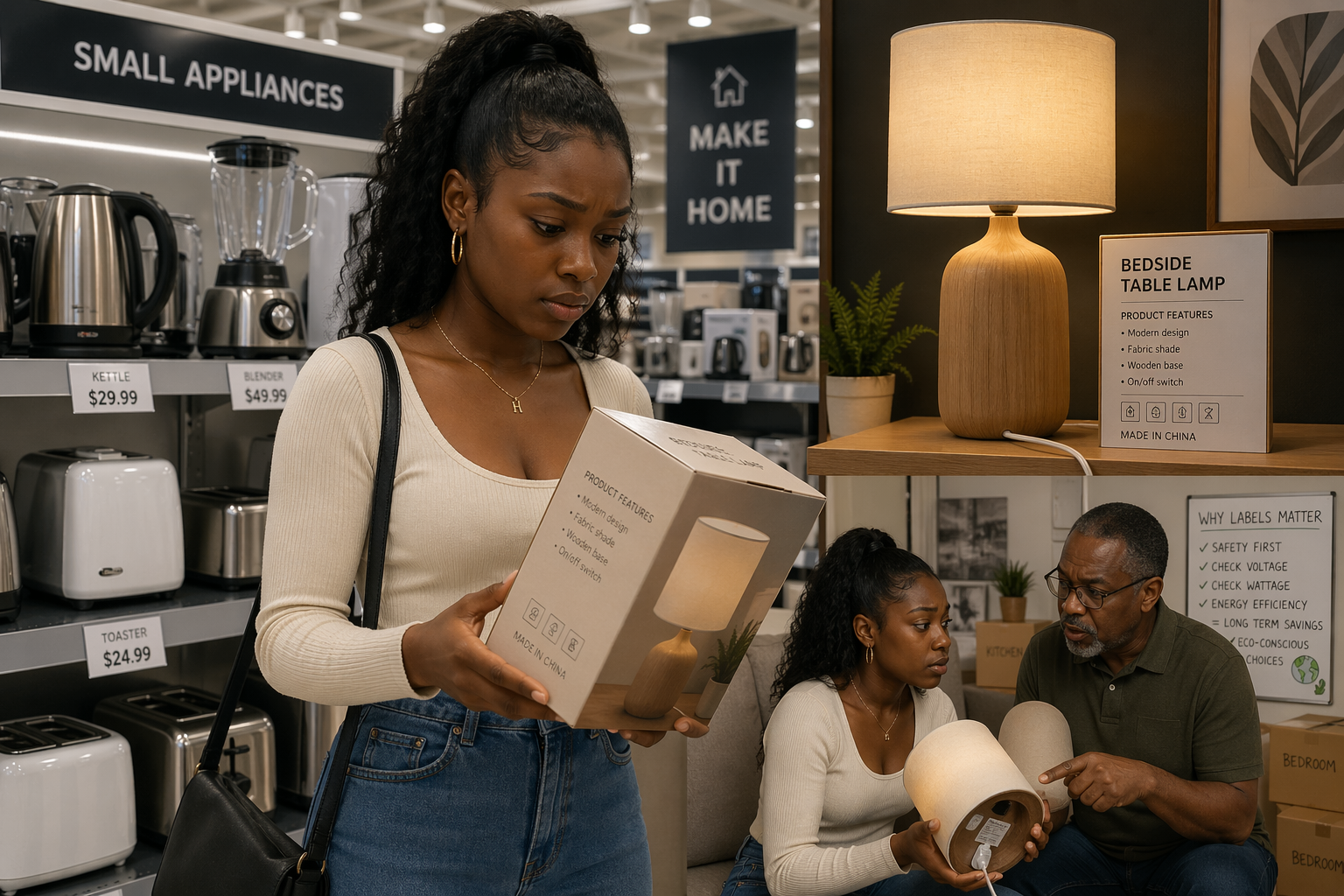
Hannah, an English Literature major, never saw the relevance of electrical studies in her life. Now as she moves into her new apartment after college she wants to decorate and make the place her own. She visited the appliance store to purchase a kettle, blender, toaster, and other appliances to make the space feel like home. As she browsed, she noticed a tasteful bedside table lamp which would fit perfectly into the aesthetic of her bedroom. Hannah realized that the labelling was quite different from the other appliance that she had already purchased. It did not provide clear information on voltage, wattage or energy consumption. This worried her a bit as she was relying heavily on the labels, given her limited knowledge on electrical appliances but she really liked this lamp and the plug seemed to be the same as the other appliances she had purchased so she assumed the same rules would apply.
Hannah bought the lamp and brought it home where her father helped her move in and set up her appliances. Upon noticing the lamp and the lack of details listed on their labelling Hannahs father began to lecture her on the risk associated with purchasing unproperly labelled electrical appliances. Hannahs father also explained to her the importance of attempting to purchase appliances labelled specifically for energy efficiency or conservation. As a means of ensuring long term savings and making informed eco-conscious buying decisions.
The Dangers of Purchasing Improperly Labelled Electrical Appliances
Improperly labelled electrical appliances pose serious risks including electrical shocks, fire hazards, voided warranties, and even legal liability. In Saint Lucia, where electrical standards are enforced by the Bureau of Standards, purchasing uncertified or mislabelled devices can endanger households and businesses while undermining consumer protection.
Key Dangers of Improperly Labelled Electrical Appliances
- Electrical Hazards
- Shock risk: Mislabelled voltage or wiring instructions can cause users to connect appliances incorrectly, leading to dangerous electrical shocks.
- Fire risk: Appliances without proper certification may overheat or short-circuit, increasing the chance of household fires.
- Non-Compliance with Safety Standards
- Labels exist to confirm compliance with national and international standards (e.g., IEC, UL, CE).
- Improper labelling may mean the product was not tested or approved, making it unsafe for consumer use.
- In Saint Lucia, the SLBS requires proper certification—using uncertified products can breach regulations and expose buyers to penalties.
- Warranty and Insurance Issues
- Voided warranties: Manufacturers often refuse repairs or replacements if appliances lack correct labelling.
- Insurance claims denied: If a fire or accident occurs due to an uncertified appliance, insurers may reject claims.
- Economic and Legal Risks
- Hidden costs: Cheap, mislabelled imports often fail quickly, forcing repeated replacements.
- Legal liability: Businesses that sell or use improperly labelled appliances risk lawsuits if accidents occur.
- Consumer Deception
- Labels provide critical information such as voltage, wattage, country of origin, and certification marks.
- Mislabelled products may misrepresent their specifications, leading to unsafe usage and loss of consumer trust.
The Saint Lucia Bureau of Standards are responsible for the developing and enforcing of the standards which ensure electrical appliances sold in the country are appropriately labelled. The Bureau also collaborates with organizations like CROSQ on energy efficiency initiatives, including the Caribbean Regional Energy Efficiency Building Code (CREEBC).
Standards That Ensure Electrical Appliances in Saint Lucia are Properly Labelled
*SLNS 53: 2002 Labelling of Domestic Electrical Appliance
This standard prescribes the compulsory labelling requirements for domestic electrical appliances and shall be read in conjunction with:
SLNS 1-1: 2016 Specification for Labelling of Commodities – General Requirements
SLNS 1-2: 2018 Specification for Labelling of Commodities – Pre-packaged Goods
Why Proper Labelling of Electrical Appliances are Important
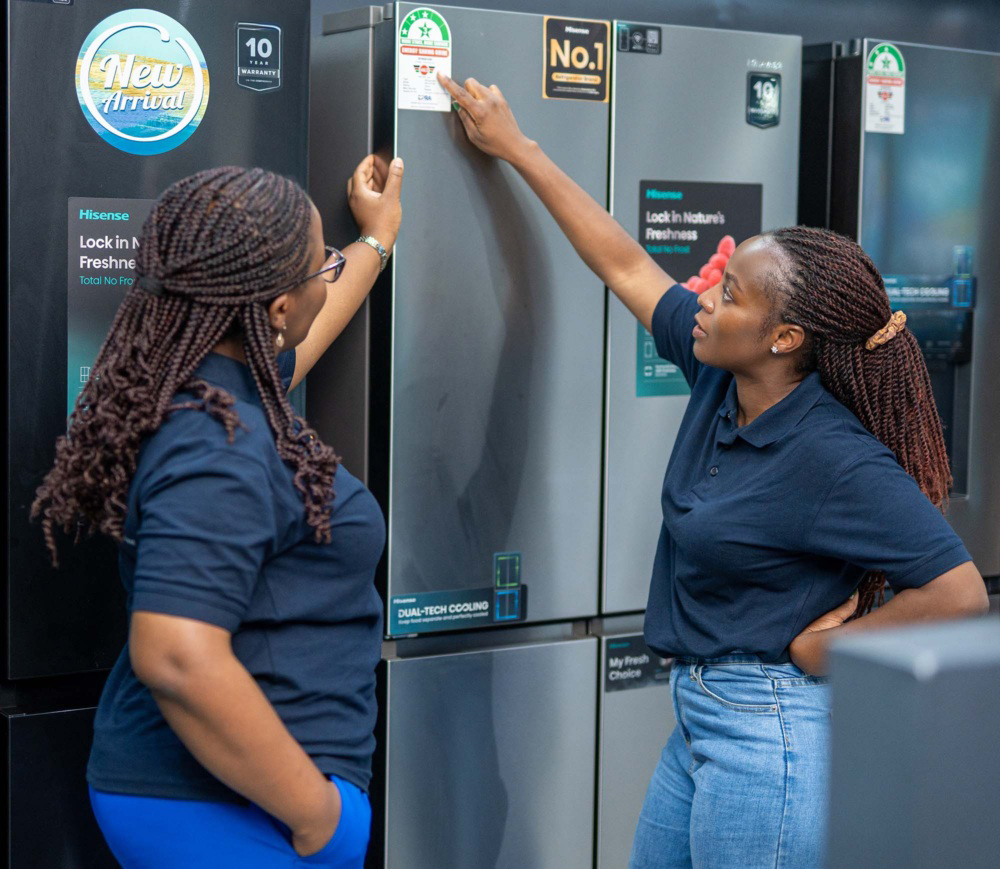
The Saint Lucia Bureau of Standards prioritizes label assessment as a means of ensuring goods such as the electronic appliances imported provide a clear, through and accurate labelling. This is of extreme relevance as it:
- Helps to prevent hazards such as overheating, electrical shocks and electrical fires.
- Assists with ensuring the appliances are being accurately utilized and maintained.
- Promotes consumer awareness by providing the information needed to choose energy efficient products which reduce the costs paid for electricity and lowers the environmental impact.
The protection of the people of Saint Lucia and their resources continues to be a priority of the Saint Lucia Bureau of Standards. To explore more on the national standards for safety visit https://www.slbs.org/ .