Standards Safeguarding Lives and Livelihoods- A Call to Action for Beauty and Wellness MSME’s
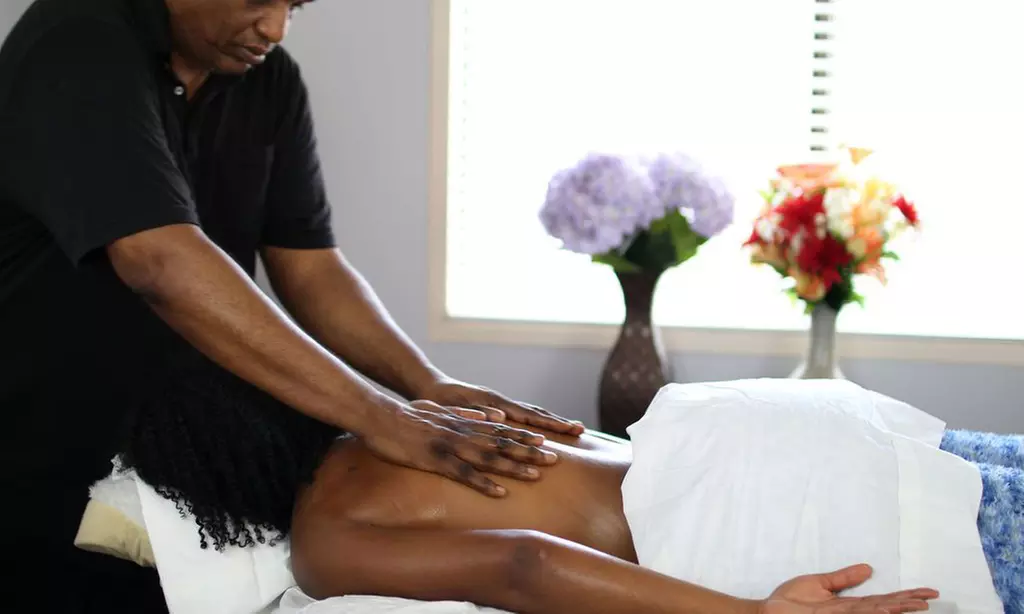
Standards are useful tools that ensure public health, safety, business survival and national confidence. These tools are extremely relevant in industries such as the Beauty and Wellness sector which refers to businesses that provide products, services and experiences related to personal care, aesthetics and holistic well-being. To provide a clearer image this sector would include businesses such as hair salons, barbershops, nail & cosmetic studios, tattoo parlors, spas, fitness studios and many more. Consumers and operators in this sector are aware of the intimate nature of the offering of many of these services, requiring direct contact with consumers and applying products or performing acts which could impact their health.
The risk associated with these services, however, does not take from the relevance or demand for these in modern society, nor does it invalidate the need to make a living. How then do the owners of MSME’s begin to take charge of protecting their future as well as their clients and employees? The Saint Lucia Bureau of Standards addresses these factors through the development and provision of standards in this sector in the form of the SLCP 13 series of standards or the Beauty & Wellness Code of Practice.
Understanding the SLCP 13 Series: What do these standards entail?
This five-part series of standards were developed specifically to set guidelines for operations in the beauty and wellness industry. They specifically address factors such as hygiene and sanitation, infection prevention and control, safety equipment and facility management and client and worker protection. These standards are as follows:
SLCP 13-1:2012 Code of Practice for Beauty and Wellness – Part 1: General requirements
Scope: This national code establishes minimum operational and hygienic requirements that should be complied with by a service provider of beauty treatments.
SLCP 13-2:2014 Code of Practice for Beauty and Wellness – Part 2: Particular Requirements for Spas
Scope: This national code of practice gives guidelines for hygienic operations of spa facilities. The code establishes general principles for:
- management responsibilities;
- service requirements;
- treatments;
- health and safety.
The code is not applicable to services provided that relate directly to the medical profession and the development of medical products.
SLCP 13-3:2016 Code of Hygienic Practice for Beauty and Wellness – Part 3 : Particular Requirements for Tattoo Establishments
Scope: This national code of practice gives guidelines for hygienic operations of tattoo facilities. This national code is applicable to all practices which involve puncturing or piercing of skin or flesh of the human body, for the purpose of permanent tattooing and semi-permanent skin colouring (micropigmentation, semi-permanent make-up and temporary tattooing).
This national code is not applicable to similar processes that relate directly to the medical
profession and the development of medical products.
SLCP 13-4:2017 Code of Hygienic Practice for beauty and wellness facilities Part 4 Particular requirements for hairdressing and barbershop
Scope: This code of practice establishes guidelines for hygienic operations of hairdressing and barbershop facilities.
SLCP 13-5: 2022 Code of Hygienic Practice for Beauty & Wellness – Part 5: Particular Requirements for Nail Establishments
Scope: This code of practice establishes guidelines for hygienic operations of nail establishment. This code provides best practice requirements for the provision of nail services in a safe and hygienic environment.
.
Why are these standards important to MSME’s ?
Though derivative from the scopes of the standards, in clear language, these standards provide guidelines which are critical for MSME’s as they:
- Assist in protecting public health through guidelines on hygiene and protective processes influencing a reduction in possible exposure and spread of infections, skin diseases or other long-term complications among clients and practitioners.
- This in turn assists in protecting the business owners and workers as it reduces the potential for legal liability and reputational damage that may occur as a result of incidents due to unsanitary or unsafe equipment or environments.
- These standards also assist in creating safe and professional work environments which ensure employees practice consistent and accurate processes which ensure their safety as well as the safety of clients.
- These standards assist businesses with maintaining sustainability and growth as they assist the business in operating more efficiently. This helps to create a competitive reputation against other operators in the sector.
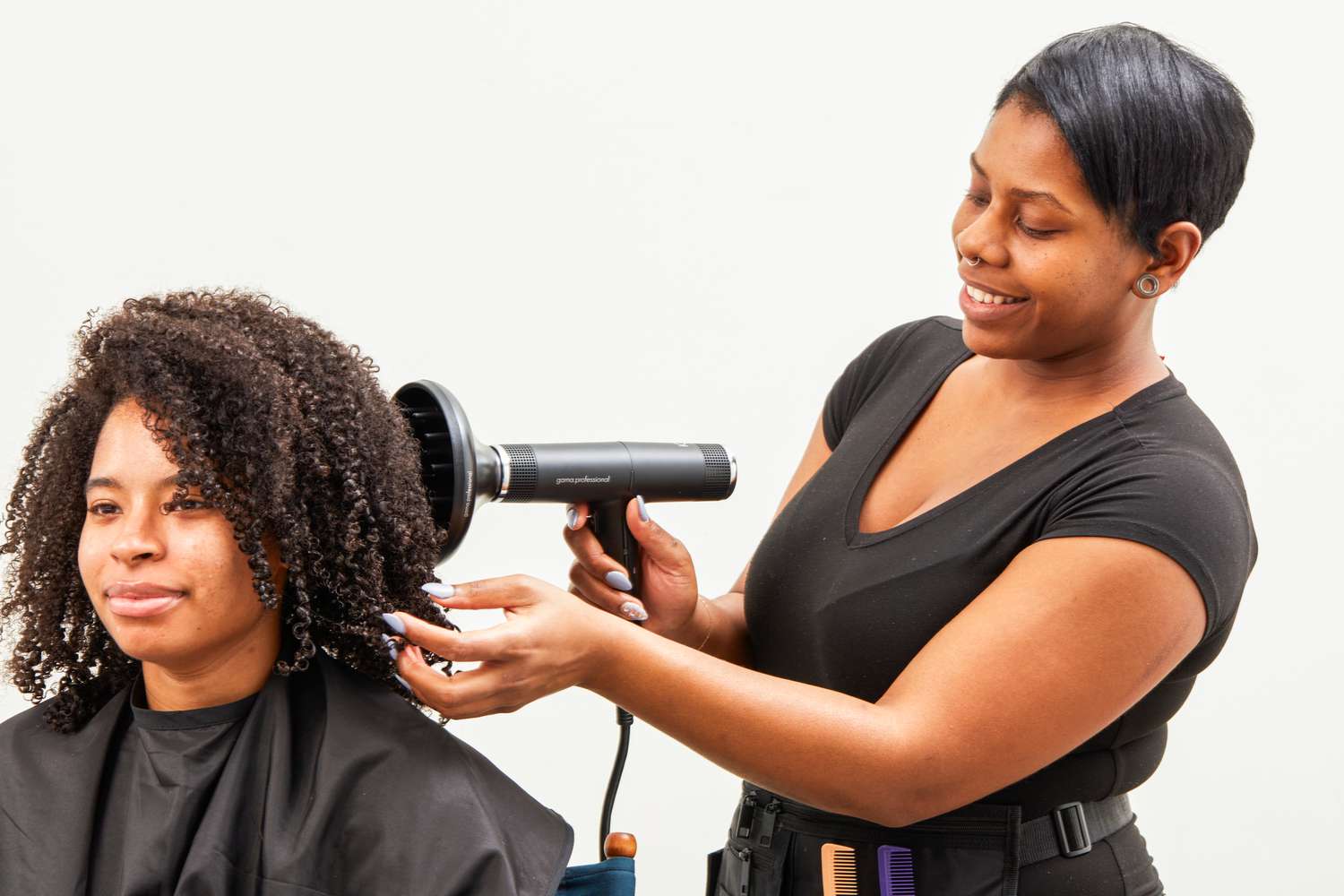
Recent global challenges have highlighted now more than ever the need to protect lives as well as livelihoods. Saint Lucia Bureau of Standards is not new to this concept and has proven this as the organization was instrumental in establishing sanitation benchmarks and guiding safe reopening protocols alongside Saint Lucia’s health authorities during the battle with Covid 19. This a prime example of the relevance of standards as a means of protection. It provides indication of the need to invest in standards that have proven to protect not just health and safety but the ability to sustain a reliable source of living. Responsible business owners plan for the future through investing in protection and risk reduction today.
The Saint Lucia Bureau of Standards provides training on the requirements of the standards to ensure operators are equipped with the knowledge to align their processes with best practices.
The SLCP 13 standards can be purchased via our website https://www.slbs.org/