Safe by Design: Standards for Occupational Health and Workplace Safety
Owning or managing a business means taking responsibility for more than productivity, profits and customer satisfaction. It also means taking responsibility for the people who make the organization’s work possible.
Occupational health and safety (OHS) is not simply about putting up warning signs, providing protective equipment or responding after an accident has occurred. Effective workplace safety begins much earlier. It begins with identifying potential hazards, understanding the risks they pose and putting measures in place to prevent injuries, illnesses and other harm before they happen.
Recognizing the importance of a systematic approach to workplace safety, the Saint Lucia Bureau of Standards has adopted SLNS/ISO 45001:2018 Occupational Health and Safety Management Systems – Requirements with Guidance for Use. The standard provides a framework that organizations can use to establish, implement, maintain and continually improve an occupational health and safety management system (OHSMS).
What Does Occupational Health and Safety Really Mean?
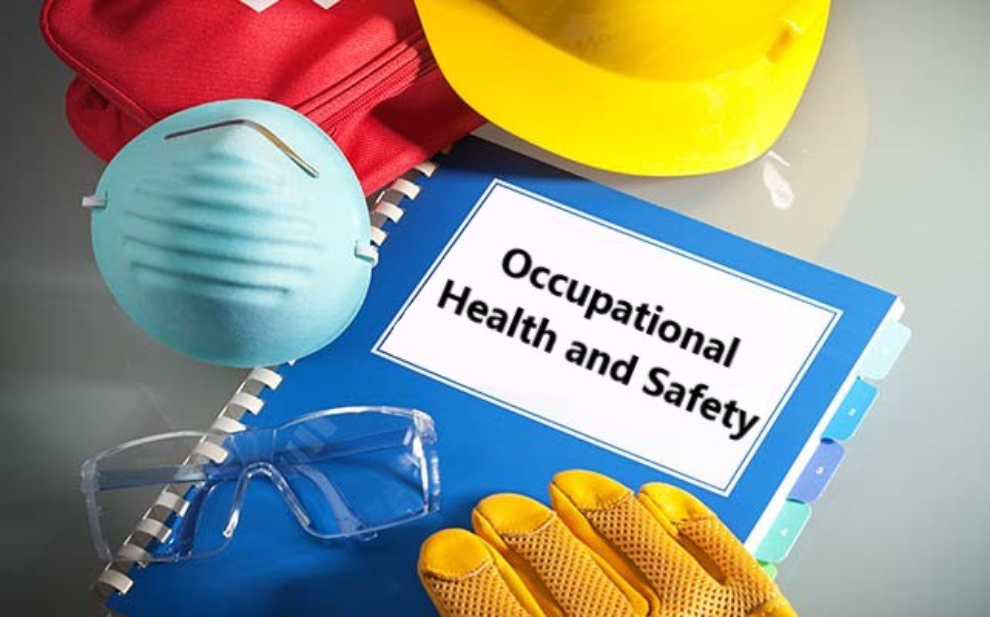
Occupational health and safety is concerned with protecting the health, safety and wellbeing of people in the workplace. It involves anticipating, recognizing, evaluating and controlling hazards that may affect workers.
These hazards can take many forms. A comprehensive approach to OHS can therefore involve areas such as workplace risk assessments, injury prevention, emergency preparedness, safe work procedures, employee wellbeing, workplace conditions and the continual improvement of safety practices.
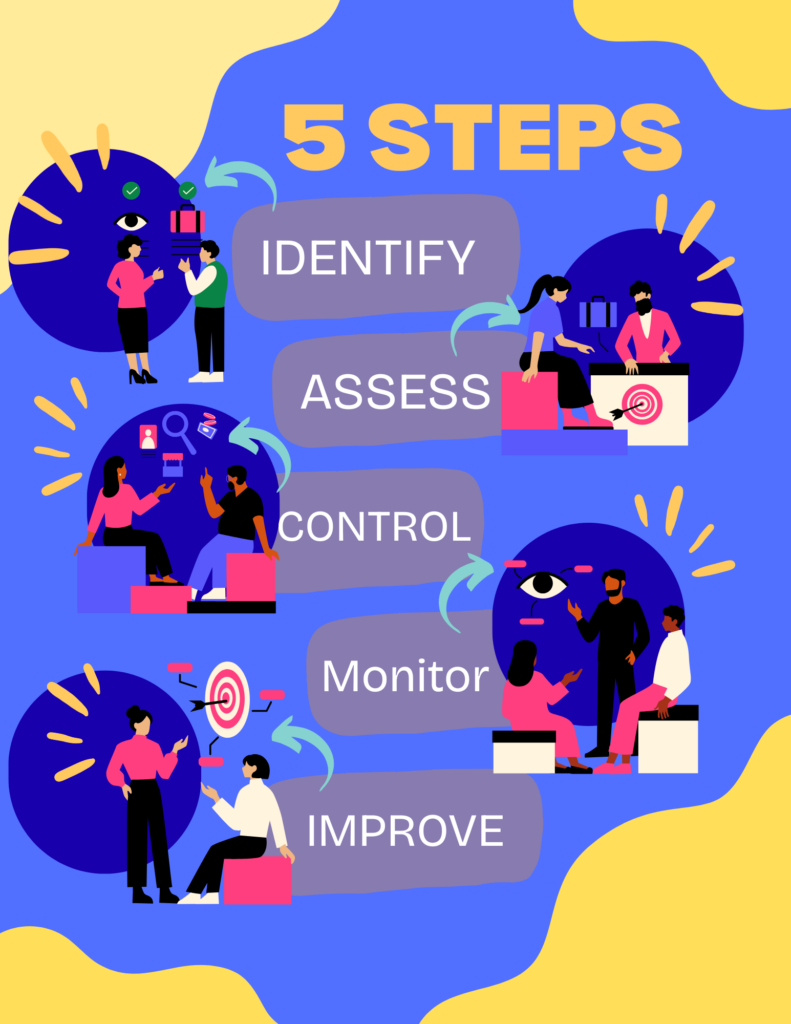
At its heart, effective occupational health and safety follows a simple but powerful cycle:
Identify → Assess → Control → Monitor → Improve
Identify: Recognize the hazards that may exist in the workplace. These could include unsafe equipment, hazardous substances, poor working conditions, excessive noise, manual handling risks or other sources of harm.
Assess: Determine how likely it is that someone could be harmed and how serious the consequences could be. Risk assessments help organizations prioritize the hazards requiring attention.
Control: Put appropriate measures in place to eliminate hazards where possible or reduce the associated risks. Depending on the situation, this may involve changing work processes, improving equipment, providing training or using appropriate personal protective equipment.
Monitor: Safety systems should not simply be implemented and forgotten. Organizations need to check whether controls are working effectively and whether new hazards have emerged.
Improve: OHS is a continuous process. Organizations should learn from incidents, near misses, inspections and employee feedback and use that information to strengthen their safety systems.
This approach shifts workplace safety from being reactive to being preventive. Instead of waiting for something to go wrong, organizations build safety into the way they operate.
Why Occupational Health and Safety Matters
- Protects Lives and Health
At the heart of occupational health and safety is a simple objective: people should be able to go to work and return home safely.
By identifying hazards and implementing appropriate controls, organizations can reduce the likelihood of workplace injuries, illnesses and other harmful incidents. Creating safe procedures and encouraging employees to participate in safety practices also helps build a workplace culture where health and safety become everyone’s responsibility.
Importantly, the safety measures required will differ depending on the nature of the work. A construction site, laboratory, office and manufacturing facility will not face the same hazards, which is why organizations need to understand and manage the specific risks associated with their operations.
- Boosts Productivity
Safety and productivity are not competing priorities. In many cases, they work hand in hand.
A workplace with clear procedures, properly maintained equipment and employees who understand how to perform their tasks safely is better positioned to operate efficiently. Fewer accidents, injuries and work disruptions can mean less downtime and greater continuity of operations.
When employees feel that their safety and wellbeing are valued, it can also contribute to greater confidence, engagement and morale.
- Reduces Costs
Workplace accidents and occupational illnesses can have consequences that extend far beyond the immediate incident.
Medical expenses, damaged equipment, lost working hours, disruption to operations, compensation and potential legal costs can all place a financial burden on an organization. There can also be less visible costs, including reduced employee morale, loss of productivity and damage to an organization’s reputation.
A structured OHS management system helps organizations take a proactive approach to managing these risks. Prevention can be far less costly than dealing with the consequences of an avoidable incident.
- Addresses Legal and Moral Responsibility
Organizations have a responsibility to provide workers with a workplace that is as safe and healthy as reasonably possible.
Meeting applicable legal and regulatory requirements is an important part of this responsibility, but workplace safety goes beyond compliance. It is also about recognizing the value of people.
Every employee deserves to work in an environment where their health, safety and wellbeing are taken seriously. Implementing effective occupational health and safety practices demonstrates that an organization is committed not only to meeting requirements, but also to protecting its most important resource—its people.
Making Safety Part of the Design
A strong safety culture does not happen by accident. It is built into policies, procedures, equipment, training, leadership and everyday decision-making.
SLNS/ISO 45001:2018 encourages organizations to take a systematic approach to occupational health and safety, helping them move beyond simply reacting to incidents toward identifying and managing risks before they cause harm.
Safe workplaces are not created after something goes wrong. They are designed with safety in mind from the beginning.

Through standards, organizations have a practical framework for turning that principle into action, helping create workplaces where people can work safely, businesses can operate more effectively and a culture of continuous improvement can take root. The Saint Lucia Bureau of Standards in its efforts to create a safer Saint Lucia encourages business owners to learn more about occupational health and safety and to consider the benefit of implementing an Occupational Health and Safety Management System .