Protecting Investments Through - Asset Management Standards
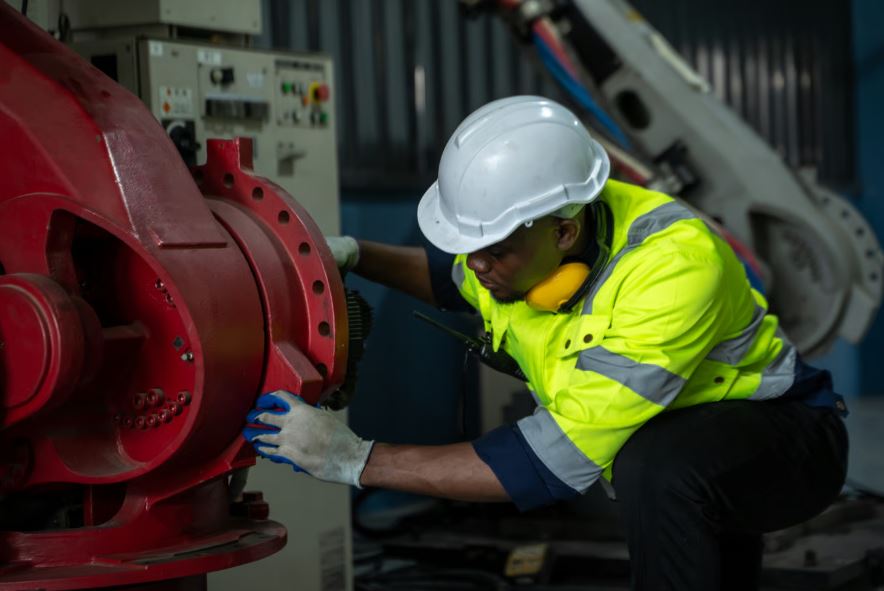
It takes effort, determination, and significant investment to start and sustain a business. An organization’s ability to create products and deliver services efficiently is highly dependent on the assets it invests in. From the heavy machinery used to manufacture products, to laptops and software that support daily office operations, to the buildings and property that house the products sold or the services offered, these assets play a vital role in maintaining quality and enhancing a company’s reputation.
As such, businesses should not overlook the importance of effectively managing the assets that keep their operations running. Without proper management, valuable assets can quickly become costly liabilities. The Saint Lucia Bureau of Standards (SLBS) aims to guide business owners and organizational leaders in protecting their investments through the adoption of internationally recognized Asset Management System Standards.
What Is Asset Management?
Asset management is about much more than maintenance. It is a systematic approach to planning, monitoring, and maintaining both tangible and intangible assets to ensure they continue to deliver maximum value throughout their lifecycle.
These assets may include buildings, equipment, vehicles, intellectual property, software, and digital resources. Effective asset management involves planning, acquiring, operating, maintaining, upgrading, and ultimately replacing assets when necessary. This structured approach helps organizations maximize value while minimizing costs and reducing the risks associated with poorly managed assets.
Why Asset Management Matters
Many organizations have experienced the disruption caused by an unexpected equipment failure. Whether it results in delays to production or service delivery, increased repair costs, or inconvenience to customers, unplanned asset failures can have a significant impact on business operations. This in turn can have a significant impact on the company’s image and reliability.
Implementing a structured asset management system helps organizations avoid these challenges by providing a proactive approach to managing their investments. Asset management enables businesses to:
1. Maximize Value
By planning for the maintenance and performance of assets, organizations can ensure they continue to operate efficiently, reliably, and consistently throughout their useful life.
2. Reduce Risk
Asset management encourages organizations to identify potential risks and implement strategies that reduce the likelihood of equipment failure, financial loss, safety issues, and disruptions to operations.
3. Control Costs
A planned approach to maintenance, repair, and replacement helps organizations avoid unnecessary expenses, extend the lifespan of assets, and make informed financial decisions regarding future investments.
Understanding the Asset Management Standards
Recognizing the importance of effective asset management, the Saint Lucia Bureau of Standards provides the following Asset Management System Standards to help organizations establish and improve their asset management practices.
Standard | Purpose |
SLNS/ISO 55000:2014 Asset management —Overview, principles and terminology | Introduces asset management concepts, principles, and terminology. |
SLNS/ISO 55001:2014 Asset management —Management systems —Requirements | Specifies the requirements for establishing, implementing, maintaining, and continually improving an asset management system. |
SLNS/ISO 55002:2018 Asset management —Management systems —Guidelines for the application of SLNS/ISO 55001 | Provides guidance on applying the requirements of SLNS/ISO 55001. |
Together, these standards provide organizations with a detailed understanding of a structured and consistent framework for managing their assets effectively, helping them protect investments, improve operational performance, and support long-term business success. As a responsible business owner, it is important to consider every potential threat to your business and address it head on so as to avoid future costs. Asset management shines a light on sustainability and is a subject every business owner should explore.