

Standards, The Key to Building Stronger and Smarter
Why Building Standards Matter in Saint Lucia.
As citizens of a Caribbean island, we face the duality of the beauty and challenges of our climate. Saint Lucia’s geographic location within the tropical region leaves us vulnerable to natural disasters such as hurricanes, heavy rainfall, flooding, and landslides. It also exposes us to issues of salt-laden air, heat, and humidity. It is due to these climatic challenges that prudent evaluation must be assigned to the construction of structures to avoid loss of lives and resources. The Saint Lucia Bureau of Standards (SLBS) in association with other organizations such as the Caricom Regional Organization for Standards and Quality (CROSQ) develop initiatives like the Caribbean Regional Energy Efficiency Building Code (CREEBC). These assist in ensuring information on stronger, smarter techniques and materials which provide resilience and can withstand our varying weather conditions while safely enhancing our quality of life; can be provided to the public. This is done in the form of building codes and building and construction standards.
What Are Building and Construction Standards?
These building and construction standards are formally recognized guidelines and specifications that assist in governing the materials and methods employed to design and build a structure to ensure safety, durability, and quality. The SLBS collaborates with regional and international organizations to ensure that standards can be provided to engineers and builders. They provide guidelines in varying aspects of the building process such as best design and procurement, concrete mix, grout and aggregates, testing of concrete, plywood and veneers, and energy performance building. All this to ensure building resilience and the safety of citizens.
Standards for Key Construction Materials
SLNS/EN 10080:2005 Steel Bars for the reinforcement of concrete- weldable reinforcing steel general. This standard specifies general requirements and definitions for the performance characteristics of weldable reinforcing steel used for the reinforcement of concrete structures, delivered as finished products in the form of:
- bars, coils (rod, wire), and de-coiled products.
- sheets of factory-made machine-welded fabric.
- lattice girders.
SLNS/CRS 54:2014 Specification for Cement ( CRS 54:2014, Idt)
This national standard specifies requirements for hydraulic cements used primarily in the construction industry. It includes requirements for compressive strength, physical properties, chemical properties, packaging, labelling and the means of determining compliance to these requirements. This standard applies to Portland and blended cement. This standard does not apply to ASTM C150M Type IV cement.
SLNS 52:2015 Specification for Hollow Concrete Blocks.
This standard applies to hollow precast concrete blocks made from a mixture of Portland cement, water and suitable aggregates and intended for use in loadbearing and nonloadbearing masonry walls of buildings. It specifies requirements for overall quality, classification, dimensions, and physical requirements for standard hollow concrete blocks.
SLNS 70:2006 Specification for aggregates for concrete
This standard applies to naturally occurring sand, gravel and stone, crushed or uncrushed, intended for use in the production of concrete for normal constructional purposes. It does not apply to material having a specific gravity less than 2.3, in its dry state.
Energy-Efficient Buildings – The Role of CREEBC
In light of the changing world and environmental crisis when considering building smarter we must consider options for maintaining energy efficiency. It is for this reason that the Saint Lucia Bureau of Standards has been involved as secretariats in the development and technical review of CREEBC and are currently working to adopt and implement the revised version of the building code. Pending an upcoming meeting in May 2026. CREEBC or the Caricom Regional Efficiency Building Code is a Caricom Regional Organization for Standards and Quality (CROSQ) energy efficiency project that emphasizes the importance of standards and quality in the energy sector. In our efforts to build for comfort the Caribbean islands saw great peaks in our energy consumption and the cost associated with utilizing air conditioning units, refrigerators, and other electrical appliances. This highlighted the need for this code which aims to reducing energy consumption, lower electricity costs, improve environmental sustainability, and reinforce support for energy policies and global environmental goals. In alignment with the code’s main focus on energy efficiency in buildings, key areas covered in the code are as follows:
- Installation requirements and materials to reduce the entry of heat into buildings which includes specific attention to walls, roofs, windows, doors or what has been coined building envelope.
- Use of energy efficient lighting systems designed to reduce energy consumption.
- Installation of proper heating, ventilation, and air conditioning or cooling systems that focus on maintained air quality.
- Efficient water heating systems.
Benefits of the Caricom Regional Efficiency Building Code
In alignment with the Sustainable Development Goals the significant benefits of the CREEBC can be identified in the five P’s as follows:
People: This code stands to benefit the people of the region by reducing the costs of electricity generated.
Planet: Greenhouse gas emissions as a result will be reduced with the reduction in use of fossil fuels to produce electricity and lessen impact on the planet
Prosperity: At least 95% of Caribbean electricity generation comes through imported fossil fuels. Reduction of these costs can increase global competitiveness, especially in the commerce and manufacturing sectors (CREEBC, 2018).
Peace: Joint efforts to implement codes that contribute to sustainability can bring varied stakeholders with varying interests together to work towards common goals thus fostering a culture of peace.
Partnership: Efforts to implement the CREEBC must be a partnership of all countries and all relevant organizations if the sustainability of the region is to be achieved, encouraging collaboration.
The Bigger Picture – How Standards Work Together
In the process of
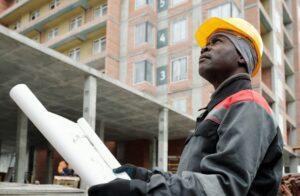
construction, we are provided with a clear image of how standards can work together to ensure safety, sustainability, and cost reduction. It is true, while construction standards ensure structural safety and durability of buildings, energy building codes like CREEBC focus on improving the energy performance and environmental sustainability of those same structures. We cannot, therefore, omit the fact that together the diligence within these standards aids engineers, builders and homeowners in making decisions on construction practices and design requirements that come together to ensure safety, structural integrity, and avoidance of long-term costs.
Standard SLNS 52:2015 Specification for Hollow Concrete Blocks for example, is useful in providing guidance on mixture of Portland cement, water and suitable aggregates intended for use in loadbearing and nonloadbearing masonry walls of buildings.
It specifies requirements for general quality, classification, dimensions and physical requirements for standard hollow concrete blocks.
The building code CREEBC though highlights the importance of factors like insulation, ventilation, and cooling to ensure minimum wastage and reduction of cost for the future utilizers of the structure. Evidence that building stronger and smarter involves considering standards throughout the building process as each standard contributes to structures that can provide protection from the conditions of our tropical climate and withstand natural disasters.
The Saint Lucia Bureau of Standards continues to make the safety and sustainability our primary objectives. Providing an avenue for the country to translate global best practices in construction into applicable standards and guidelines which protect lives and build a more resilient future. To access these construction standards, visit our website https://www.slbs.org/ and go to our online store or call 758 4530049.