Making Smarter Choices: Labels as our Guide
Consumer safety is a critical consideration in every purchasing decision. However, many consumers buy products without carefully reviewing the information provided on the label, often relying instead on packaging, branding, or appearance. This practice can increase the risk of purchasing products that may not be suitable for an individual’s needs or that require specific precautions for safe use. Product labels serve as an important source of information, providing details on ingredients, usage instructions, warnings, storage requirements, and other safety-related guidance that helps consumers make informed choices.
The Saint Lucia Bureau of Standards (SLBS) plays a key role in protecting consumers by conducting label assessments and market surveillance activities. Through these functions, the Bureau helps ensure that products available on the market provide accurate, clear, and relevant information that supports safe use and informed purchasing decisions. By promoting compliance with labeling requirements and monitoring products in circulation, the SLBS contributes to reducing consumer risks, safeguarding public health and safety, and fostering greater confidence in the marketplace.

What Labels Really Do
A good label does more than make a product look attractive. A good label provides information that allows consumers to understand a product before they buy or use it. From the labelling a consumer should be able to determine what the product is, who made it, how to utilize it safely, and what precautions, if any, should be taken when this is in use. Providing this information protects consumers, retail businesses and product manufacturers.
Why Labels Matter for Consumers
Reading labels may seem like an insignificant or time-consuming step in your purchasing process, however, it can make a big difference:
- Health Protection: Information such as ingredients, allergens, expiry dates and usage instructions can help consumers identify potential risks before purchasing or using a product. For someone with a food allergy, for example, checking the ingredients and allergen information can help them avoid a product that may trigger a reaction.
- Financial Savings: Labels can also aid consumers in matters of fair trade and financial conservation. Take for example electrical appliances, energy efficiency information on labelling can help consumers compare options and consider the potential impact on their electricity bills. Similarly, information such as net weight or volume helps consumer to determine how much product they are actually purchasing and compare value between products.
- Informed Choices: By providing consumers with this information labels are intended to give the opportunity to compare products based on this information rather than just the appearance of the item alone. Whether we are looking at nutritional information, product specifications, energy efficiency or other important characteristics, the label gives us information to potentially make a better choice.
A 5 Step Label Check
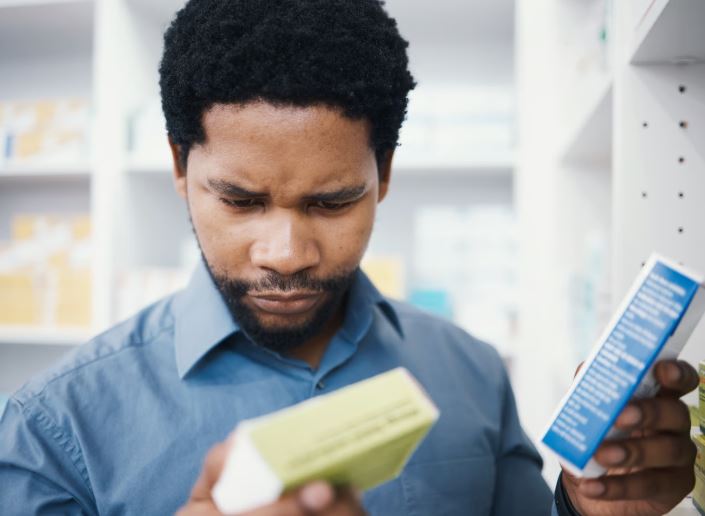
Being a responsible consumer means you pause before you purchase here is a list of questions to ask when looking at a product. A quick label check should help you to answer these:
- What is it? : Make sure you confirm the product name, manufacturer or even importer this makes you aware of the party responsible where applicable. Also confirming the product description helps you understand what you are purchasing.
- Is it safe? : Ensure to check expiry date, warnings, voltage and product instructions. These details help make decisions which could keep you safe.
- What is it claiming? : If a product makes claims about safety, quality, certification or compliance with a standard, take a closer look. Don’t assume that a claim on the package automatically means the product has been certified or approved.
- What am I getting? : Verify information like nutrition, ingredients, quantity, specifications, energy efficiency and durability.
- Is it right for me? : Compare with other products and select the product that best fits your needs.
SLBS and Labeling Standards
As Saint Lucia’s national standards body, the Saint Lucia Bureau of Standards plays an important role in supporting quality, safety and fair trade in Saint Lucia’s marketplace. For this reason, the SLBS develops, adopts, and promotes standards, carries out label assessments and market surveillance all in an effort to ensure the products available to consumers in the country meet the applicable requirements. This work covers a range of products from electrical appliances to bottled water and packaged food items including juices.
Tip For Being A Responsible Manufacturer
A good label is part of good customer service. Manufacturers and businesses should ensure that the information provided on their products is accurate, clear, legible and meets applicable labelling requirements. Before placing a product on the market, take the time to review its label and make sure consumers have the information they need to make safe and informed decisions.
As a manufacturer, if you wish to ensure that your product packaging is not just aesthetically pleasing but meet the specifications of labelling standards and provide your customers with information they can trust reach out to the compliance department at (758) 453 0049/456 0546 and request to have your label assessed. Make your label matter, protect your business and consumers.
When shopping as a consumer and a product catches your eye, or when deciding on your package labelling as a product manufacturer remember, labels are not decorative stickers. Look beyond the appearance of the product and consider the information that can help you make the right choice. A good label is a guide to safer, smarter living. So be responsible pause before you purchase, read, and understand what you are buying. Support the efforts of the SLBS to foster a safer more informed Saint Lucia.