
From Farm to Table – Standards that Keep Livestock Healthy
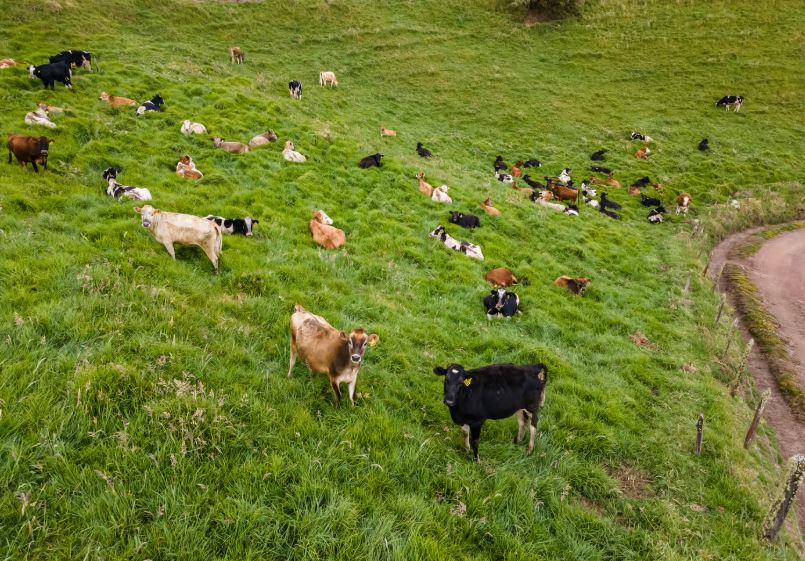
In this article we highlight the importance of food security and investing in a healthy, thriving agricultural sector, we realize that this industry involves much more than the crops we grow. Livestock farming forms a vital part of Saint Lucia’s food supply, as healthy animals contribute directly to a safe and reliable food source for the people of Saint Lucia. Both farmers and consumers should appreciate the importance of the well-being of the livestock that ultimately make their way from our farms to the tables of families across Saint Lucia.
As part of its mandate to promote quality, the Saint Lucia Bureau of Standards (SLBS) develops standards that help ensure livestock are treated humanely, consumers are protected from foodborne diseases, and local farmers are supported in meeting recognized quality requirements.
Why Standards Matter in Livestock Farming
Standards help to ensure consistency, quality, safety, and consumer confidence while also supporting trade. This is equally true in livestock farming. Standards help to:
- Promote the Humane Treatment of Animals
Standards developed for livestock rearing place significant emphasis on ethical animal management. Humane farming practices have been shown to improve the overall health and welfare of livestock, contributing to the production of safer, healthier, and more consistent supplies of meat and other animal products.
- Support Sustainable Agriculture and Farm Productivity
These standards also encourage sustainable farming practices that benefit both animal welfare and environmental conservation. By following these practices, farmers can better manage their resources, improve farm efficiency, and help preserve the health and longevity of their livestock.
- Protect Consumers and Build Consumer Confidence
When farmers and agricultural producers correctly implement the requirements of these standards, they can confidently demonstrate that their livestock have been raised responsibly and that appropriate measures have been taken to ensure the safety and quality of their products. This helps build consumer trust and reassures the public that animal products are safe for consumption.
Standards in Action
The Saint Lucia Bureau of Standards currently provides a number of standards directly related to animal welfare, livestock management, and food safety. Some of these standards include:
SLNS 31:2015 – Specification for Poultry and Poultry Products
This standard specifies requirements for primary processed poultry consisting of carcasses, poultry parts, and poultry products intended for human consumption. It defines and distinguishes between the various market classes of poultry.
The standard also establishes requirements for sanitation, plant hygiene, dressing operations, grading, packaging, labelling, marketing, and both ante-mortem and post-mortem inspection of poultry products sold through commercial distribution systems.
This standard does not apply to freshly killed poultry prepared for direct sale to consumers, for which conditions may be prescribed in national regulations.
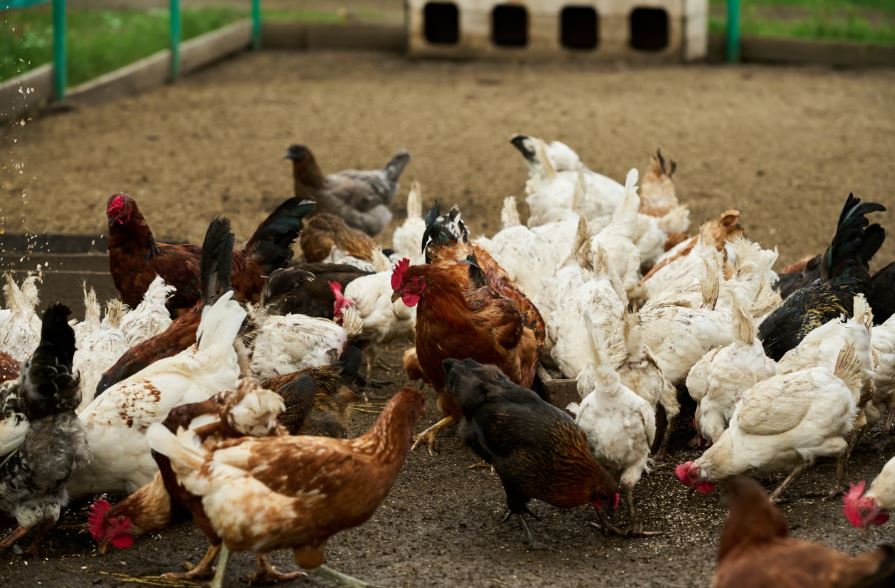
SLNS 33:2022 – Feed and Feed Ingredients – Poultry – Specification
This standard establishes specifications for the nutrient requirements of poultry feed. It provides guidance on good manufacturing practices for the production of poultry feeds, as well as good on-farm feeding practices. It applies to the production and use of all poultry feed and feed ingredients, whether produced commercially or on the farm.
SLCP 18:2019 – Code of Good Agricultural Practices — Swine
This code provides guidelines for the proper handling and management of pigs raised in environments that support sustainable production. It promotes the production of meat with reliable and consistent quality while ensuring traceability and responsible animal care.
SLCP 20:2018 – Code of Practice – Egg and Egg Products – Hygiene
This code of practice establishes guidelines:
- for hygienic production, storage, packaging, and transportation of whole eggs, egg albumen, egg yolk, and other products consisting wholly or mainly of one or more egg constituents intended for human consumption; and
- on hygienic practices relating to the premises, equipment, and personnel involved in producing these products.
These and many other standards available are carefully crafted to consider the realities of the agriculture industry in Saint Lucia and to work to improve processes and ensure sustainability.
The daily efforts invested in strengthening food security and improving food quality in Saint Lucia should never be taken for granted. The Saint Lucia Bureau of Standards remains committed to supporting farmers and agricultural professionals in their efforts to strengthen the nation’s agricultural sector. From the crops cultivated to the livestock reared, investing in standards throughout the agricultural industry is becoming increasingly important in building a safer, healthier, and more sustainable future for Saint Lucia.