How the Food You Eat Connects to a Global System

Food is at the heart of human survival and wellbeing. Yet in today’s interconnected world, the systems that provide our food are no longer purely local. Global trade has reshaped how nations access food, raising urgent questions about safety, sustainability, and security. Where does our food come from? Is it safe to eat? And can we rely on its supply in the long term? These are questions that should not be overlooked.
Saint Lucia’s Dependence on Imports
The Observatory of Economic Complexity reported that in 2024, Saint Lucia imported approximately 1.39 billion dollars’ worth of goods, including pork, chicken, and processed fruit juices. In contrast, exports totaled only 39.4 million dollars. This stark imbalance over 1.3 billion dollars underscores the island’s heavy reliance on imports to meet the needs of its population. Such dependence makes robust systems for food safety essential, while also highlighting the need to strengthen local production, diversify markets, and expand exports.
The Role of the Saint Lucia Bureau of Standards (SLBS)
As the national standards body, the Saint Lucia Bureau of Standards (SLBS) safeguards consumer interests while supporting economic development. Its mandate is to ensure that food entering and leaving the country is safe, properly labelled, and fit for consumption. This work is reinforced through collaboration with international organizations such as the Codex Alimentarius Commission.
SLBS supports food safety and security by:
- Developing and enforcing food safety and quality standards
- Assessing product labelling
- Monitoring local and international markets for hazards and trade barriers
- Educating the public and manufacturers on quality control systems
Why Food Standards Matter
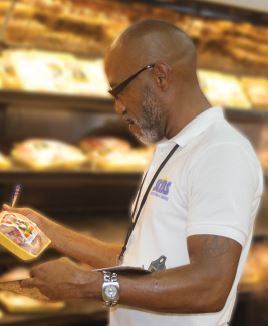
Food standards are more than technical requirements, they protect consumer rights, strengthen food security, and build trust in local products.
- Protecting Consumer Rights
Consumers have the right to health, safety, and information. Standards such as SLNS 35:1995 Specification for Spices and Sauces ensure foods are not contaminated, while SLNS 1-3:2014 Labelling of Prepackaged Foods guarantees clear labelling so consumers can make informed choices. - Safeguarding Food Security
Standards ensure foods are produced, handled, stored, and labelled under hygienic conditions. This reduces contamination and waste, creating a more reliable food supply. For example, SLNS 145:2023 Food Safety — HACCP System Requirements empowers manufacturers to implement risk-reduction measures and achieve HACCP certification. - Building Confidence and Trade Competitiveness
Compliance with food safety and labelling standards enhances trust in locally manufactured products. It positions Saint Lucian goods as competitive in regional and international markets, opening opportunities for expanded trade.
The Global Framework: Codex Alimentarius
Behind Saint Lucia’s food standards lies a global framework: the Codex Alimentarius, established in 1963 by the FAO and WHO. Its mission is to protect consumer health and promote fair practices in food trade. Codex provides science-based standards in areas such as:
- Animal Feed – guidance on safe feeding practices
- Antimicrobial Resistance – strategies to manage resistant organisms in food
- Contaminants – limits for natural and accidental contaminants
- Nutrition & Labelling – requirements for safe, informative food composition and claims
- Pesticides – maximum residue limits for international trade
- Biotechnology – risk assessments for foods derived from biotechnology
Why Codex Matters for Saint Lucia
The SLBS acts as Saint Lucia’s contact point with Codex, ensuring alignment between national and international standards. By adopting Codex’s science-based principles, Saint Lucia strengthens consumer protection, supports safe imports, and enhances its ability to trade globally. For a small island nation heavily reliant on imports yet striving to grow its local economy, Codex provides the foundation for safe participation in the global food system.
Final Thought
Food connects us all to our health, our economy, and the wider world. For Saint Lucia, food standards are not just technical rules; they are tools of empowerment, ensuring safety, protecting rights, and opening doors to global trade. Through the work of the SLBS and its collaboration with Codex Alimentarius, the island can navigate the challenges of globalization while safeguarding the wellbeing of its people.